 English
 عربى
 Español
 русский
 中文简体
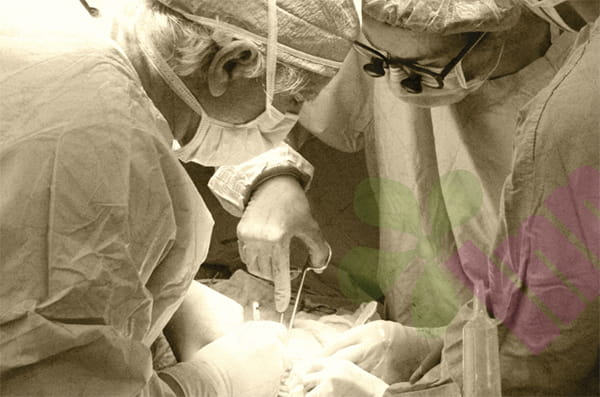




Researchers from the Commonwealth Scientific and Industrial Research Organisation (CSIRO) and the University of Adelaide in Australia have discovered that biodegradable films made from engineered bee silk are safe and well-tolerated during wound healing, and hold promise as a foundational material for next-generation smart wound dressings. The research was published in the journal *Biomedical Materials Research Series B: Applied Biomaterials.
Unlike spider or silkworm silk, bee silk is a natural protein material used by bee larvae to build protective structures in the hive. It is characterized by its toughness, flexibility, and lightness. More importantly, its protein sequence can be modified without damaging the material's structure, allowing for the introduction of specific functions. Researchers indicate that recombinant bee silk can be bioengineered in the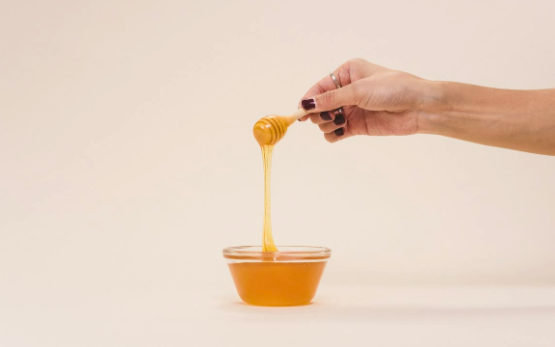 laboratory, and by modifying its protein sequence, it may be possible to add infection-sensing signals to dressings or achieve targeted drug release in the future.
A key finding of this study is that the silk membrane gradually decomposes at the wound site, rather than remaining as a permanent material. This means that in some cases, dressing changes may not be necessary, thus avoiding repeated manipulation and interference with fragile new tissue during the healing process.
This research builds on CSIRO's more than a decade of work developing bee silk into a biomaterial platform. Previous studies have shown that this material is strong, flexible, biodegradable, and safe for biological applications.
Chronic wounds affect approximately 450,000 people in Australia each year, placing a burden of over AU$6 billion on the healthcare system. Infections delay healing, increase the risk of hospitalization and amputation, and often require repeated clinical interventions. Based on these positive results, the research team has received funding from the Future of Medical Research Fund to develop and test various smart dressings, with a focus on helping to prevent chronic wound infections.
Dr. Anna Antipov from the University of Adelaide participated in the research. The research team believes that the programmable properties of bee silk make it not only a traditional dressing material, but also a potential biomaterial platform capable of carrying out multiple functions, providing a new technological approach for chronic wound management.