
 English
 عربى
عربى Español
 русский
 中文简体
中文简体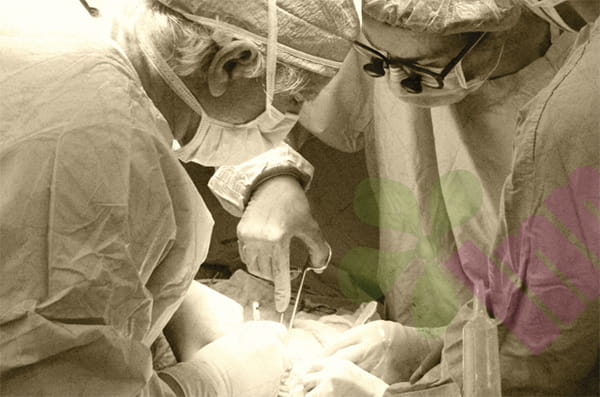





Can injured skin regenerate completely without leaving scars in the future? A new study from the Department of Stem Cell and Regenerative Biology at Harvard University provides a positive answer. Published in the journal *Cell* on March 20, the research team revealed a method for achieving complete skin regeneration by activating a repair mechanism unique to the embryonic period, which was successfully validated in mouse experiments.
“By studying how embryos efficiently heal wounds, we discovered a way to significantly improve healing outcomes,” said Ya-Chieh Hsu, professor of stem cell and regenerative biology at Harvard University, principal investigator at the Harvard Stem Cell Institute, and senior author of the paper. “When we are injured, most skin cell types cannot regenerate, eventually forming scars. Now we have found a way to change this, enabling multiple cell types to regenerate and thus preventing scarring.”
Skin is often considered a model organ for self-regeneration, but the actual repair process is far from perfect. After injury, epidermal stem cells repair the skin's surface, while fibroblasts deposit dense collagen scar tissue. The skin also contains approximately 10 to 50 cell types, including hair follicles, blood vessels, lymphatic vessels, sweat glands, pigment cells, immune cells, fat cells, and nerves. Most of these cells cannot regenerate, leading to fundamental changes in the morphology of scarred skin.
Previous studies have shown that embryonic wounds can heal without scarring, but this new research further reveals the underlying molecular mechanisms. Embryonic skin can repair all cell types after injury, but this ability rapidly disappears after birth. The research team discovered a key signaling pathway that controls this "switch" and successfully reactivated it.
“Our results suggest that some organs retain an inherent regenerative potential, but this potential is suppressed—and releasing this suppression may be sufficient to enable regeneration,” Professor Xu said. “Regeneration may not need to start from scratch; it may simply be released.”
This discovery stems from five years of research by first author Hannah Tam (PhD class of 2026). Dr. Tam graduated from Harvard University's Kenneth C. Griffin Graduate School of Arts and Sciences with a major in Biological and Biomedical Sciences and pursued related studies at Harvard Medical School. She learned techniques for microsurgery on micromouse embryos and newborn mice under a dissecting microscope.
To study wound healing, Tan used a biopsy tool to remove full-thickness skin samples and compared organ regeneration in embryonic mice and postnatal mice at different time points. Because embryonic wounds heal so thoroughly that they are indistinguishable from normal skin, the scientists used fluorescent beads and henna ink to mark the wound sites.
Research has found that skin regeneration capacity gradually declines after birth, with the most significant changes occurring between three days before birth and five days after birth—a mere eight-day window. Mice injured within the first three days of birth showed regeneration of multiple cell types in their skin, closely resembling uninjured skin; however, mice injured five days after birth had wounds covered by epithelial cells and filled with collagen scar tissue, abnormally dense nerve fibers, and immune cells, while many other skin cell types failed to regenerate.
The research team then identified the key drivers behind the differences in regeneration. They found that "over-nervation" occurred at the wound site after birth because fibroblasts in the wound upregulated the expression of the Cxcl12 gene, which recruits too many nerves to the injury site and inhibits the regeneration of other skin cell types.
Knocking out the Cxcl12 gene in the wounds of newborn mice suppressed "overinnervation," and the skin successfully regenerated multiple cell types. Similar effects were achieved by using botulinum toxin type A (Botox) to block local nerve signal transmission.
Dr. Tan stated that the research had encountered a bottleneck. The team originally thought that the regeneration process was related to immune cells, but later discovered that the real obstacle lay in the signal transduction behind the over-innervation of nerves—and that turning off this signal could restore the skin's complete regeneration.
“Surprisingly, we discovered a blocking factor,” Dr. Tan said. “This factor is the interaction between fibroblasts and nerve cells. The relationship between these two different cell types has always been a focus of wound healing research. Now we can truly regard these two types of cells as an effective communication bridge.”
At the outset of the research, Professor Xu believed that the key to wound healing lay in reproducing a series of "regeneration-promoting factors" to simulate the embryonic healing process. However, the results proved that the solution was much simpler.
“I didn’t expect we would need to release the brakes, which is actually good news—it makes things much easier,” she said. “It gives me hope that this technology could be applied to improve human wound healing.”
.jpg.png "Ostomy Pouch 210ML")
.jpg.png "Urostomy Pouch 450ML")
.jpg.png "Colostomy Pouch 350ML Closed")


