
 English
 عربى
عربى Español
 русский
 中文简体
中文简体




Novel biomimetic hydrogels break through the gastric acid barrier, bringing revolutionary prospects for the treatment of gastrointestinal diseases.
A research team led by the Hong Kong Polytechnic University (PolyU) has achieved a major breakthrough, successfully developing a "mucus-inspired hydrogel" (UMIH) that maintains superior stability and adhesion even in extremely acidic environments. This technology holds the promise of revolutionizing the treatment of gastrointestinal diseases such as gastric ulcers and gastroesophageal reflux, opening up new pathways for targeted drug delivery and minimally invasive repair.
Hydrogels, as three-dimensional network materials capable of absorbing large amounts of water, have wide applications in the biomedical field, particularly in wound healing and drug delivery. However, traditional hydrogels decompose rapidly in the highly acidic environment of the stomach, greatly limiting their direct application in the gastrointestinal tract. Inspired by the natural protective mechanisms of the human gastric mucosa, the PolyU research team overcame this key challenge through innovative molecular design.
Experimental data show that under harsh conditions simulating gastric juice (pH 2), this novel UMIH hydrogel exhibits a wet adhesion strength of up to 64.7 kPa, which is 15 times that of aluminum phosphate gel (APG), a commonly used mucosal protectant in clinical practice. In terms of durability, APG completely degrades within 3 days, while UMIH retains approximately 50% of its structural integrity after 7 days, providing a longer-lasting physical protection and therapeutic window.
In esophageal injury models in pigs and mice, UMIH demonstrated significant repair effects. Compared with the untreated group and the APG-treated group, UMIH more firmly covered the wound surface, effectively reduced tissue inflammation and damage, promoted angiogenesis, which is crucial for healing, and accelerated the overall repair process.
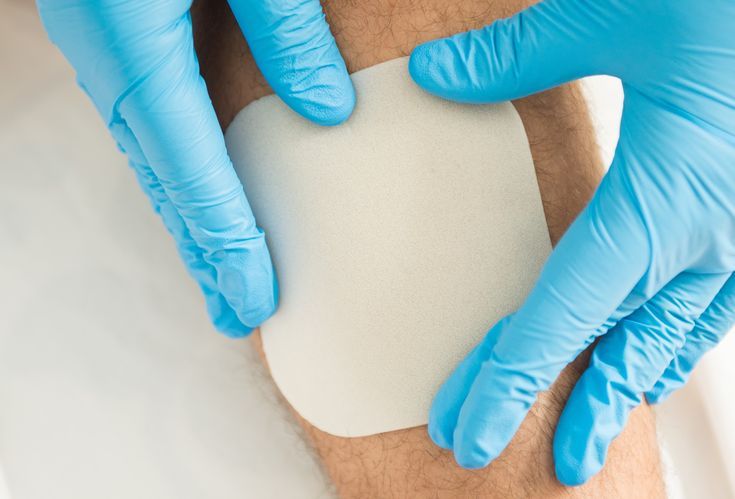
Professor Wang Zuankai, Vice President of Hong Kong Polytechnic University and the principal investigator of this study, pointed out: "UMIH not only provides a promising new solution for the treatment and postoperative protection of gastroesophageal reflux and gastric ulcers, but it can also be combined with endoscopic technology to achieve precise drug delivery under minimally invasive conditions. It constitutes a revolutionary acid-resistant platform that is expected to directly promote the research and development of the next generation of intelligent implantable medical devices."
The research findings have been published in the internationally renowned journal *Cell Reports Physical Science*. The team stated that although further clinical trials are needed to verify its safety and efficacy in humans, UMIH undoubtedly brings a promising and revolutionary tool to the field of gastrointestinal disease treatment.

.jpg.png "Ostomy Pouch 480ML")

.jpg.png "Colostomy Pouch 260ML Closed")


