
 English
 عربى
عربى Español
 русский
 中文简体
中文简体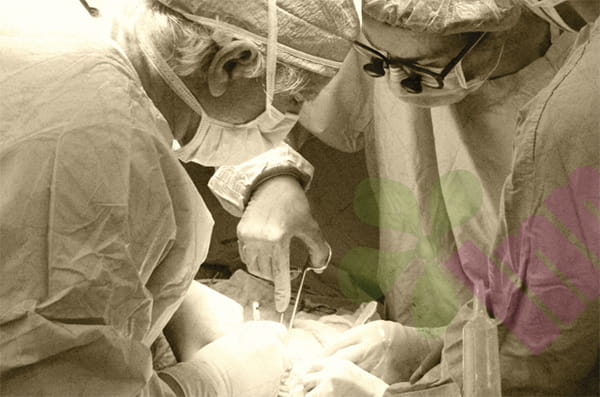






Researchers at Stanford University School of Medicine have discovered that modifying wound healing patterns formed millions of years ago may enable scarless repair of surgical or traumatic wounds. These findings, conducted on mice, could potentially prevent or even treat scarring on any part of the body, including internal organs, if generalized to humans.
Scars are more than just a matter of appearance. They can affect normal tissue function, leading to chronic pain , illness, and even death. It is estimated that about 45% of deaths in the United States are caused by some type of scar (also known as fibrosis)—typically occurring in vital organs such as the lungs, liver, or heart.
While scars on the skin surface are rarely fatal, they are harder and more fragile than normal skin and lack sweat glands or hair follicles, making them less adaptable to temperature changes.
Surgeons have known for decades that facial wounds heal with less scarring than wounds on other parts of the body. This phenomenon aligns with evolutionary logic: rapid healing of wounds on other parts of the body prevents death from blood loss, infection, or immobility, but facial wounds require the skin to maintain good function for healing.
How this difference arose remains a mystery, although there are some clues.
“The development of the face and scalp is unique,” said Dr. Derek Van, professor of surgery. “The tissue above the neck originates from cells called neural crest cells in the early embryo. In this study, we discovered specific healing pathways in scar-forming cells (called fibroblasts) derived from the neural crest and found that they drive a more regenerative healing process.”
Activating this pathway even in some fibroblasts around small wounds on the abdomen or back of mice can significantly reduce scarring during wound healing—similar to untreated facial or scalp wounds.
Dean P. and Louise Mitchell Professors Longaker of the School of Medicine and Wan, Distinguished Professor of Surgery at Johnson & Johnson, are senior authors of the study, which was published in the journal Cell on January 22. Michelle Griffin, MD, PhD, a resident in plastic surgery, and Dayan Li, MD, PhD, a clinical and postdoctoral scholar, are the first authors of the study.
“Many of the authors of this paper are colleagues, they are all clinical scientists,” said Dr. Li, who is also a dermatologist. “This project was inspired by our observations of patients—facial wounds usually heal with less scarring. We wanted to understand the mechanisms behind this.”
Protein determines scar formation
Li and his colleagues used laboratory mice to study the differences in wound healing at different sites on the mice's bodies. They first anesthetized the mice and then created tiny skin wounds on their faces, scalps, backs, and abdomens. To prevent uneven stress on the wounds during mouse movement, they secured the wounds with small plastic rings. The mice received pain relief during the wound healing process.
Fourteen days later, compared with wounds on the abdomen or back of the animals, wounds on the face and scalp showed lower levels of protein expression involved in scar formation and smaller scar areas.
The researchers then transplanted skin from the face, scalp, back, and abdomen of mice into the backs of control mice. After successful transplantation, they repeated the experiment on the transplanted skin. The results were the same as before: the levels of scar-related proteins expressed at the wound sites of the skin transplanted from the donor mice's faces were low.
In addition, Li and his colleagues isolated fibroblasts from skin samples from four body parts of donor mice and injected them into the backs of control mice. They observed that recipient mice injected with fibroblasts from the face of donor mice had lower levels of scar-related proteins on their backs compared to recipient mice injected with fibroblasts from the scalp, back, or abdomen.
Professor Li said, "We have found that positive therapeutic effects can be achieved without altering or manipulating all the fibroblasts in the tissue. When we inject genetically modified fibroblasts that are more similar to facial fibroblasts, we find that the healing of back incisions is very similar to that of facial incisions, with reduced scarring, even though the transplanted fibroblasts only account for 10% to 15% of the total number of surrounding fibroblasts. Changing just a few cells can trigger a series of chain reactions, thereby significantly improving the healing process."
Wound healing with low degree of fibrosis
Further investigation revealed differences in gene expression between facial fibroblasts and those in other parts of the body. Following these clues, researchers identified a signaling pathway involving the ROBO2 protein, which helps maintain facial fibroblasts in a less fibrotic state. They also discovered some interesting phenomena in the genomes of fibroblasts expressing ROBO2.
Professor Li stated, "Generally speaking, ROBO2-positive cells have lower DNA transcriptional activity, or in other words, a weaker ability to bind to proteins required for gene expression. These fibroblasts are closer to their progenitor cells—neural crest cells—and they may be more likely to differentiate into the various cell types required for skin regeneration."
In contrast, the DNA in fibroblasts in other parts of the body has free access to genes involved in scar tissue formation, such as collagen.
“It appears that cells must be able to express these pro-fibrotic genes in order to form scars,” Langerke said. “And this is the default pathway for most tissues in the body.”
ROBO2 doesn't function alone. It triggers a signaling pathway that inhibits another protein called EP300, which promotes gene expression. EP300 plays an important role in some cancers, and a small molecule drug that can inhibit its activity is currently undergoing clinical trials. Li and his colleagues found that blocking EP300 activity in scar-prone fibroblasts using this existing small molecule drug allowed back wounds to heal like facial wounds.
Wan said, "Now that we understand this pathway and the impact of the differences between fibroblasts produced by different types of stem cells, we may be able to improve wound healing after surgery or trauma."
Langekerk suggests these findings may also apply to internal scars. “The way scars form isn’t all the same,” he says. “This study, along with other previous findings in my lab, suggests that there are common mechanisms and pathogenic factors regardless of tissue type, strongly suggesting that there may be a unified approach to treating or preventing scars.”
Researchers from the University of Arizona were also involved in this work.
This research was funded by the National Institutes of Health (Grant Nos. R01-GM136659, U24DE029463, R01-DE032677, R01-AR081343, RM1-HG007735 and 5T32AR007422-43), Haji Pediatric Regenerative Medicine Laboratory, Wu Cai Human Performance Alliance, Scleroderma Research Foundation, AP Giannini Foundation, and Howard Hughes Medical Institute.
Longaker is the inventor of a patent application that covers a machine learning algorithm for analyzing connective tissue networks in scars and chronic fibrosis.
Longaker is a member of Stanford Bio-X, the Stanford Cardiovascular Institute, the Wu-Tsai Human Performance Consortium, the Institute for Stem Cell Biology and Regenerative Medicine, the Maternal and Child Health Institute, and the Stanford Cancer Institute


.jpg.png "Ostomy Pouch 310ML")
.jpg.png "Ostomy Pouch 210ML")