
 English
 عربى
عربى Español
 русский
 中文简体
中文简体






Diabetic foot ulcers are one of the most serious complications of diabetes and a leading cause of lower limb amputation. Wound healing is a precise and coordinated process involving multiple stages, including inflammatory response, fibroblast proliferation, and tissue remodeling. However, in diabetic patients, long-term hyperglycemia and metabolic stress cause fibroblasts to prematurely enter a senescent state, continuously secreting a series of pro-inflammatory factors that disrupt the wound microenvironment, leading to stunted healing.
On March 17, 2026, a research team from the Department of Endocrinology at the First Affiliated Hospital of Anhui Medical University and the Institute of Endocrinology and Metabolism at Anhui Medical University published a study in the journal *Burns & Trauma*, revealing the mechanism of action of the RNA-binding protein ILF2 in diabetic wound repair.
Starting with RNA-binding proteins, an important molecular family regulating gene expression, the research team analyzed publicly available single-cell RNA sequencing and transcriptome data, discovering that ILF2 expression was significantly downregulated in diabetic foot ulcer fibroblasts. This finding was validated in clinical tissue samples, diabetic mouse wound models, and fibroblasts treated with high glucose.
Further cellular function experiments showed that overexpression of ILF2 promoted fibroblast proliferation and migration while inhibiting various aging-related secretory factors, including interleukin-1β, interleukin-6, interleukin-8, and matrix metalloproteinases. Conversely, knockdown of ILF2 exacerbated inflammatory aging and weakened cellular repair functions.
At the mechanistic level, the research team identified NPM1 messenger RNA as a direct target of ILF2 using techniques such as RNA sequencing, RNA immunoprecipitation, and RNA stability assays. Under normal circumstances, ILF2 protein binds to NPM1 mRNA and promotes its degradation, preventing excessive accumulation of NPM1 protein. When ILF2 is deficient, NPM1 protein levels increase, leading to enhanced interaction with p65 protein, activation of the NF-κB signaling pathway, and promotion of downstream pro-inflammatory cytokines expression. The study also demonstrated through rescue experiments that knocking down NPM1 can reverse fibroblast dysfunction caused by ILF2 deficiency. In a diabetic mouse model, overexpression of ILF2 accelerated wound healing, while knocking down ILF2 delayed the repair process; knocking down NPM1 alone also improved wound repair and reduced inflammatory senescence.
The significance of this study lies in extending the understanding of wound repair in chronic diabetes from the traditional levels of blood circulation and infection to the level of intracellular RNA regulation. The results suggest that ILF2 plays a role similar to negatively regulating inflammatory senescence in fibroblasts; its decreased expression leads to the accumulation of NPM1 protein and persistent activation of the NF-κB pathway, ultimately weakening the ability of fibroblasts to support tissue repair.
From a therapeutic perspective, this study suggests the ILF2-NPM1-NF-κB regulatory axis as a potential intervention target. Unlike strategies that broadly suppress inflammation, restoring ILF2 activity or limiting NPM1-mediated NF-κB activation may be able to alleviate harmful aging phenotypes while preserving the normal cellular functions required for repair.
Of course, this discovery is still some distance from clinical application. Researchers point out that further investigation is needed to clarify the specific reasons for the downregulation of ILF2 in diabetic wounds and to evaluate the safety and feasibility of targeting ILF2 or NPM1 in clinical wound treatment. However, this study expands our understanding of RNA-binding proteins in the biology of chronic wounds and provides new insights for the treatment of diabetic foot ulcers.

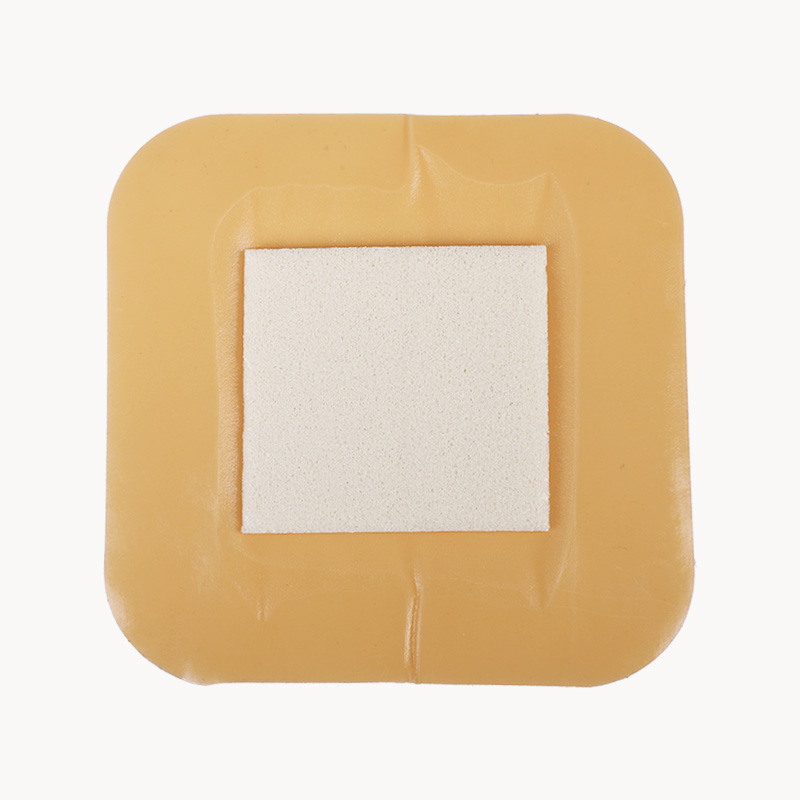
.jpg.png "Ostomy Pouch 480ML")
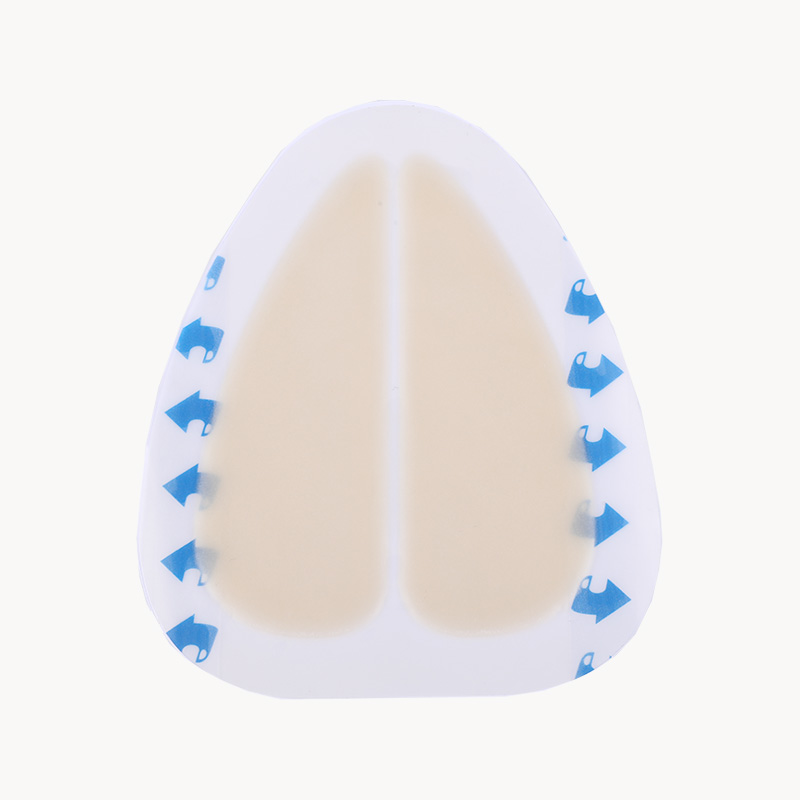
.jpg.png "Ostomy Pouch 210ML")
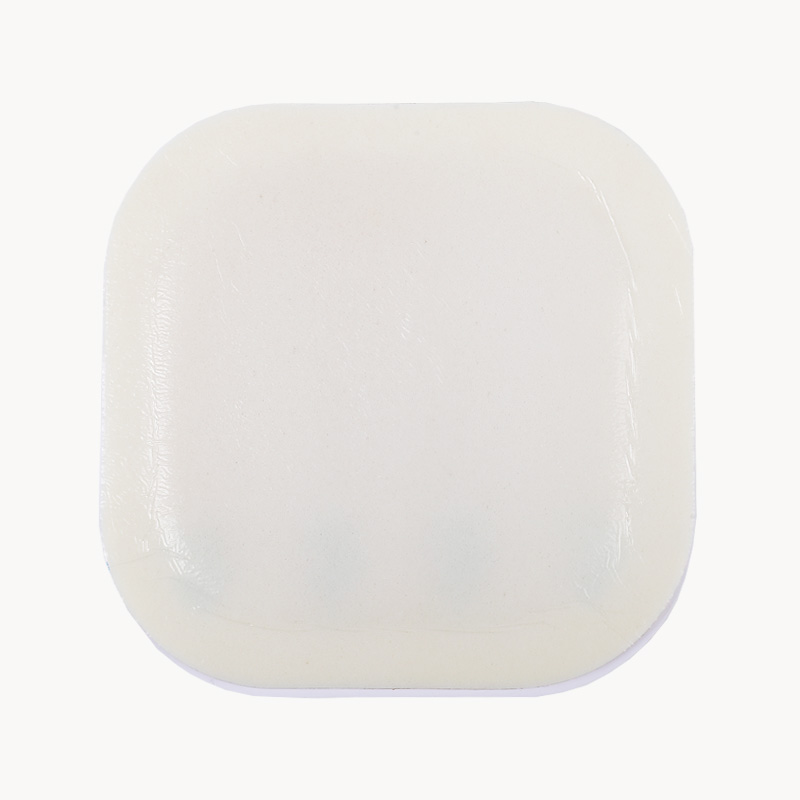
.jpg.png "Colostomy Pouch 260ML Closed")


