 English
 عربى
عربى Español
 русский
 中文简体
中文简体





.jpg.png "Ostomy Pouch 480ML")
.jpg.png "Ostomy Pouch 310ML")
.jpg.png "Ostomy Pouch 210ML")
.jpg.png "Colostomy Pouch 350ML Closed")
.jpg.png "Colostomy Pouch 60ML Mini")
.jpg.png "Colostomy Pouch 260ML Closed")
.jpg.png "Urostomy Pouch 450ML")
.jpg.png "Ostomy Pouch 120ML Infant")
.jpg.png "Ostomy Pouch 410ML Surgery")
What stage is a red and swollen pimple in?
In medical terms, red and swollen pimples correspond to the inflammatory papule or pustular stage. Microcomedones within the pilosebaceous unit rupture under the stimulation of abu...
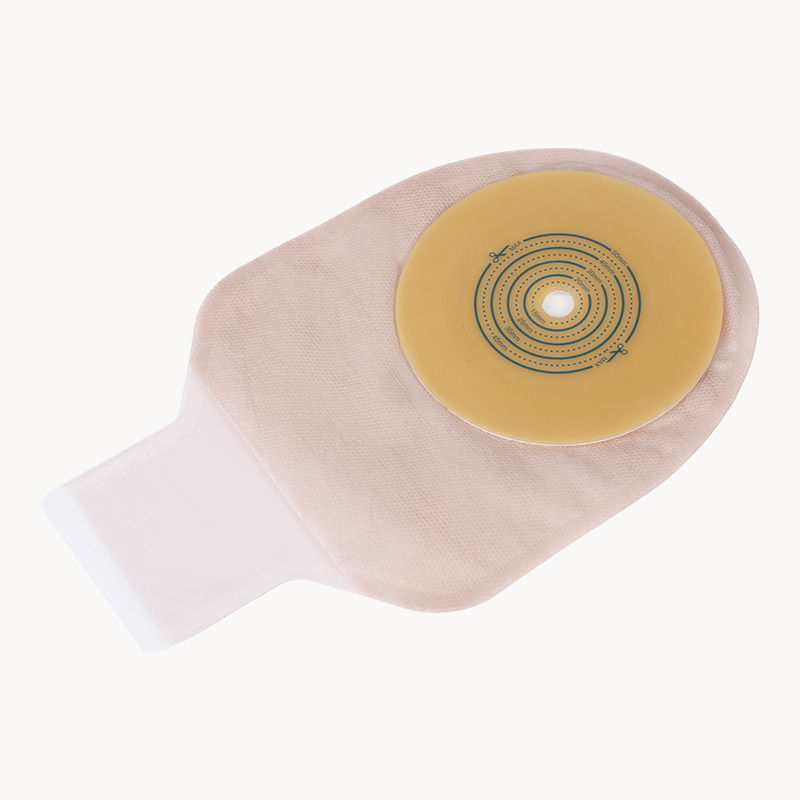
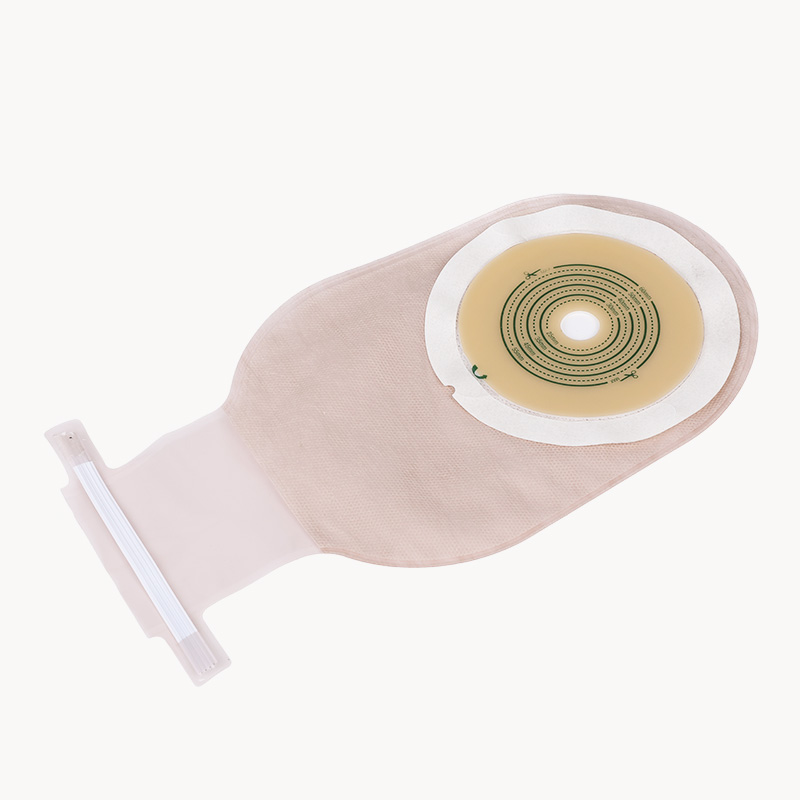
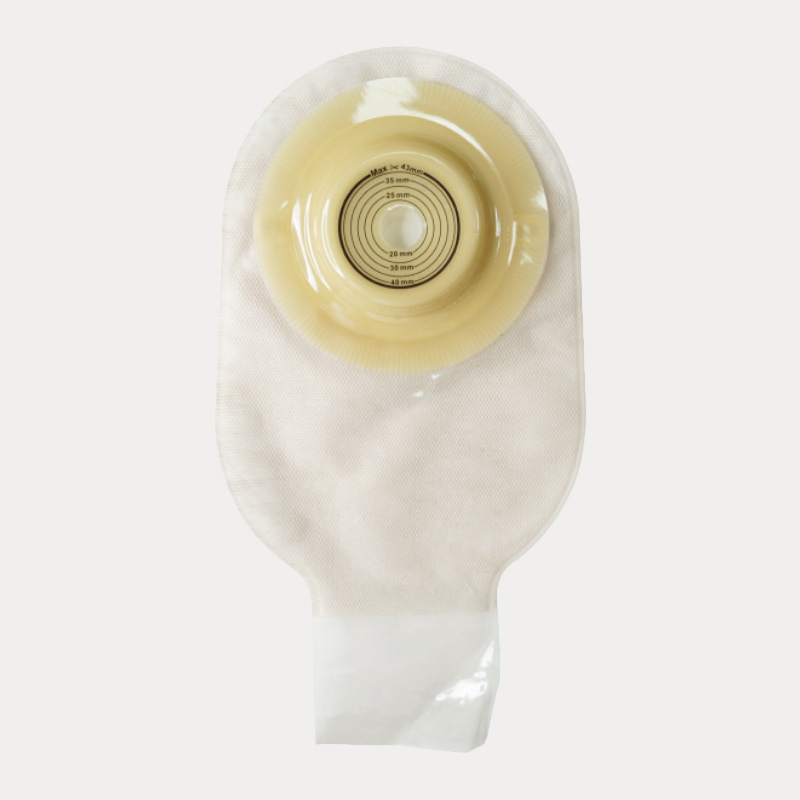
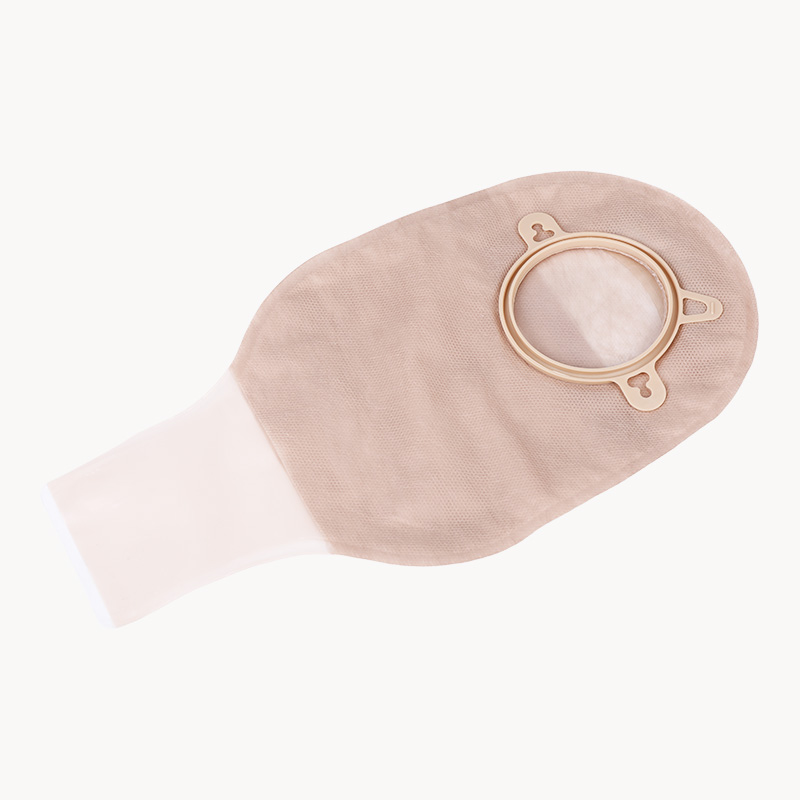
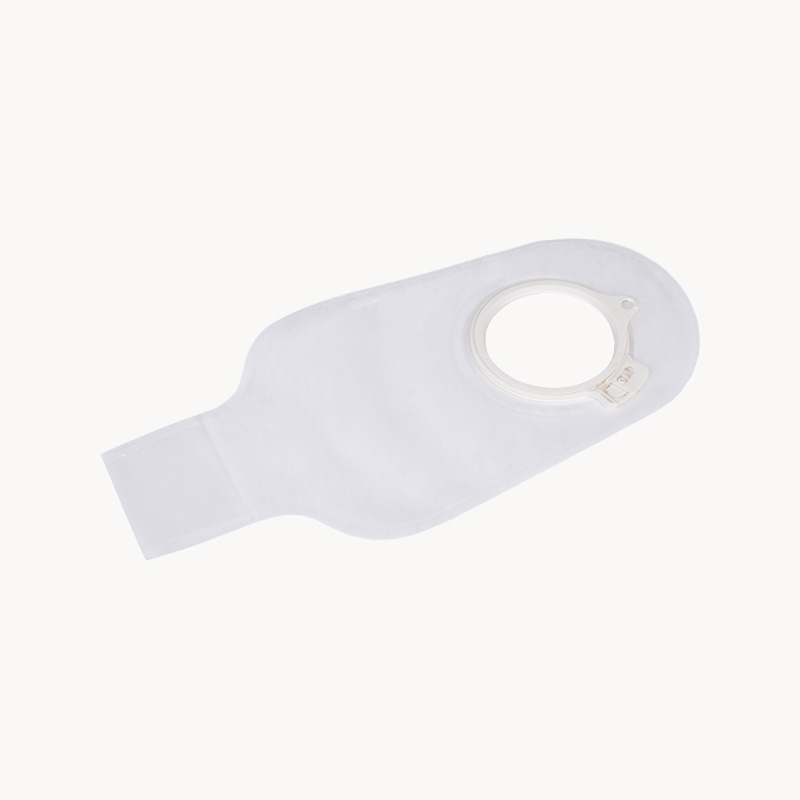
In order to solve the problem of fecal excretion after removing the lesion of the distal intestinal canal by surgery, the proximal intestinal canal is pulled out and sutured on intestinal wall after turning it over to establish a new fecal excretion channel. And an intestinal stoma is formed.
The urostomy is usually located at the right hypogastrium, but sometime can be determined by the doctor according to the actual situation of surgery. Use a segment of the free ileum to replace the bladder. With 2-3 cm higher than abdominal wall and a diameter about 2 - 2.5 cm, the stoma is located at abdominal wall. After surgery, urine is discharged through this stoma.
After selecting the appropriate size and capacity of the ostomy bag (determine the version), it can be freely combined and customized(OEM):
|
ostomy pouch |
skin barrier |
facial tissue |
Different thickness of release paper, release film (with shear line) |
|
viscose |
Hydrocolloid dressing, strong and soft, skin-friendly. At the same time, according to the characteristics of market users, the formulation of hydrocolloids is optimized and customized. |
||
|
substrate |
Color EVA, transparent PE film, white PE perforated film |
||
|
bag body |
lining |
Non-woven fabrics and perforated membranes, when using non-woven fabrics as linings, adopt a window design, which not only blocks the excrement but also facilitates the observation of the stoma state. An inner lining has been added for a softer and more comfortable fit against the skin. Avoid the discomfort caused by the skin and the surface of the bag body after the skin sweats. |
|
|
bag |
Adopt multilayer high barrier co-extrusion membrane, transparent, brown, yellow, etc. |
||
|
assembly combination |
filter carbon |
There are round, square, crescent-shaped and other models. On the basis of high-barrier membrane odor isolation, the smell can be adsorbed and filtered again, and the gas generated in the bag can be effectively discharged at the same time to prevent bulging. |
|
|
sealing accessories |
There are clips, aluminum strips, Velcro for colostomy bag or ileostomy bag. Has drain valve for urostomy bags. |
||
|
plastic fastener |
It is used for the connection between the chassis and the bag body in the two-piece ostomy bag. There are two modes of operation: embedded and mechanical fit. |
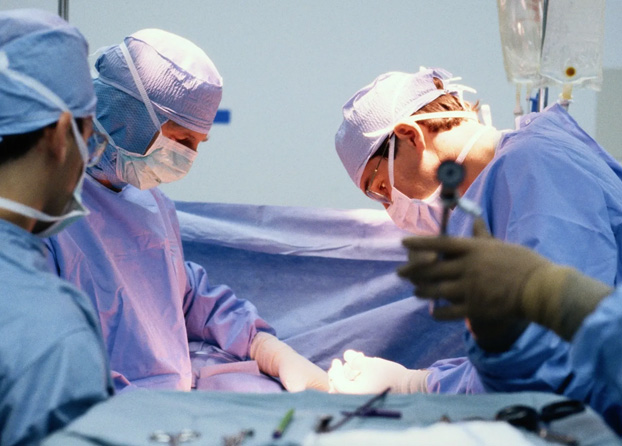
Our solutions start with a need. Patients and healthcare professionals inspire us to design medical solutions for wound management, surgery and pressure ulcer prevention. We want to enhance performance at every point of care – from the operating room to the home.
In medical terms, red and swollen pimples correspond to the inflammatory papule or pustular stage. Microcomedones within the pilosebaceous unit rupture under the stimulation of abu...
In home wound care, rinsing is the most easily omitted or neglected step. Many people simply remove the old dressing, apply iodine solution to the wound with a cotton swab, or wipe...
Cesarean section incisions are considered clean but contaminated incisions. During the procedure, after the lower segment of the uterus is cut open, amniotic fluid, blood, vernix c...
Urine flows continuously from the stoma, unlike the intermittent discharge of feces in an enterostomy. This continuously moist working environment determines that the core challeng...
When changing dressings at home, most people judge the size of a wound by glancing at it and making an estimate. It might seem smaller today, but after a few days it might seem unc...
When changing dressings, a thin, pale yellow or grayish-white film is often seen covering the wound surface. It is moist and soft, and may slightly slide when touched with a cotton...
A red ring around a wound is one of the most anxiety-inducing aspects of home wound care. The conditioned reflex of associating red with inflammation, leading to the application of...
After an abscess is incised and drained, an open wound with neat edges but a clearly visible internal cavity remains. Faced with this cavity, many patients and their families' firs...

Longterm medical is a world-leading custom Ostomy Pouchs manufacturers that equips healthcare professionals to achieve the best patient, clinical and economic outcomes.
Add:No. 277, Shuangshan Road, Deqing County, Huzhou
City, Zhejiang Province, China
Tel:0086 15157187579
Copyright © Zhejiang Longterm Medical Technology Co., Ltd All Rights Reserved.

