 English
 عربى
عربى Español
 русский
 中文简体
中文简体





.jpg.png "Disaster & Emergency First Aid Kit")
.jpg.png "Car Care First Aid Kit")
.jpg.png "Outdoor Sport First Aid Ki")
.jpg.png "Factory & Mine First Aid Kit")
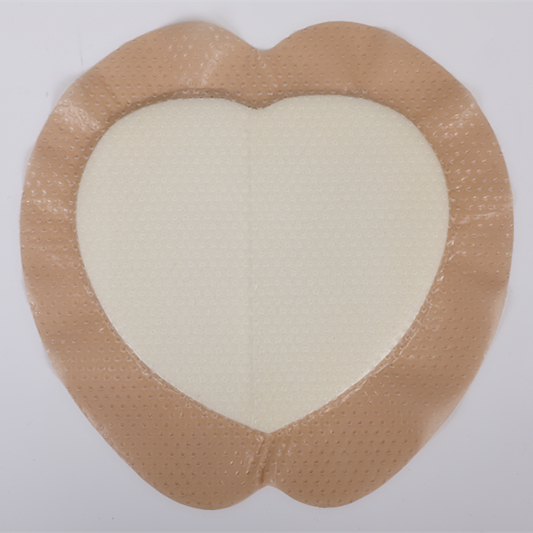
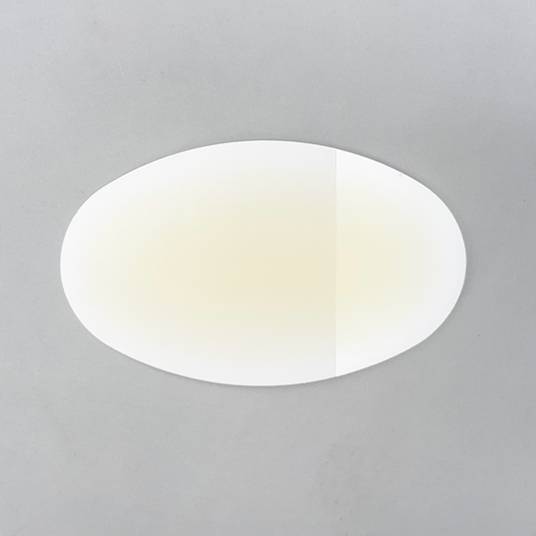
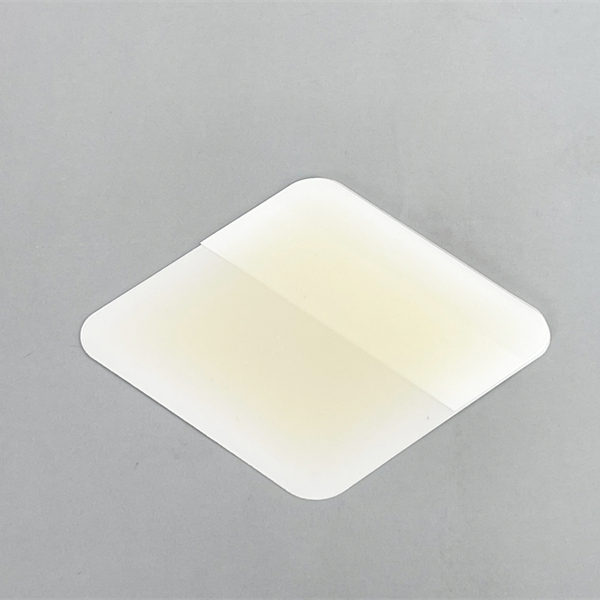
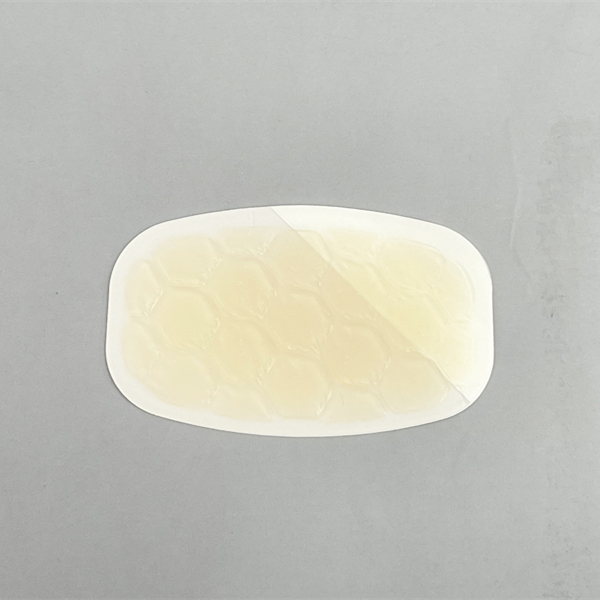

What should I do if the stitches crack after removal?
f the wound reopens after suture removal, medically termed incision dehiscence, there are two types. One is a superficial tear between the epidermis and dermis, resulting in a smal...

Globally, colorectal cancer (CRC) is one of the most common cancers and a leading cause of cancer-related death. A groundbreaking study published in Gut recently revealed the role of lipid metabolism disorders in colorectal cancer and pointed to a possible therapeutic avenue that converts chronic inflammation into an opportunity to treat cancer. The study, led by researchers from the University of South Florida, USA, explored the mechanisms of persistent inflammation in colorectal cancer by integrating lipidomics, targeted molecules, and spatial transcriptomics, and proposed new therapeutic strategies to address these disorders. The study showed that arachidonic acid (AA)-derived lipid mediators (such as leukotrienes) associated with chronic inflammation were significantly upregulated in colorectal cancer tissues, while pro-resolution mediators (such as lipoxins) were almost absent. Background: The role of chronic inflammation in the progression of colorectal cancer has been highlighted, often attributed to an imbalance between pro-inflammatory and inflammatory resolution or pro-resolving processes. During normal wound healing, a process called lipid mediator class switching leads to a transition from inflammation to resolution, which also involves molecules such as lipoxins and resolvins. However, colorectal cancer appears to exhibit impaired class switching, resulting in persistent inflammation. The research team used a multimodal approach to examine lipid metabolism in colorectal cancer using 81 paired tumor and normal tissue samples. Untargeted lipidomics analysis focused on 40 paired samples, while targeted lipidomics assessed AA pathway-related mediators. Liquid chromatography tandem mass spectrometry (LC-MS/MS) was used for both untargeted and targeted lipidomics analysis. Results: Colorectal cancer tissues exhibited a distinct pro-inflammatory lipid profile compared with normal tissues. Quantitative lipidomic analysis revealed elevated levels of AA-derived mediators associated with the enzyme ALOX5, including leukotrienes and 5-hydroxyeicosatetraenoic acid (5-HETE). In contrast, pro-resolving mediators, such as lipoxins, were significantly deficient, suggesting a defect in lipid mediator class switching. In terms of therapeutic significance, the researchers proposed "dissipative medicine", emphasizing the therapeutic potential of specialized pro-dissipative mediators (SPMs) such as dissipatives and protectins in restoring lipid metabolic balance. Gene expression analysis also revealed overexpression of pro-inflammatory genes in colorectal cancer tissues, such as ALOX5, ALOX5 activation protein (ALOX5AP), and leukotriene-A4 hydrolase (LTA4H). These genes are closely associated with inflammatory biomarkers and macrophage markers, emphasizing the role of tumor-associated macrophages (TAMs) in maintaining inflammation. Lipidomic analysis revealed specific structural lipid changes, including enrichment of phospholipids containing linoleic acid and AA. These changes were also associated with chronic inflammation and tumor progression, suggesting metabolic disturbances in the tumor microenvironment. The researchers concluded that a distinct imbalance between pro-inflammatory and resolving mediators underlies the persistent inflammatory state in colorectal cancer. By identifying these key molecular and cellular mechanisms, the study provides insights into potential therapeutic strategies that could focus on restoring lipid class switching through endogenous or exogenous pro-resolving mediators. Journal reference: Soundararajan, R., Maurin, MM, Rodriguez-Silva, J., Upadhyay, G., Alden, AJ, Gowda, SB, Schell, MJ, Yang, M., Levine, NJ, Gowda, D., Sundaraswamy, PM, Hui, S., Pflieger, L., Wang, H., Marcet, J., Martinez, C., Bennett, RD, Chudzinski, A., Karachristos, A., & Nywening, TM (2024). Integration of lipidomics with targeted, single cell, and spatial transcriptomics defines an unresolved pro-inflammatory state in colon cancer.
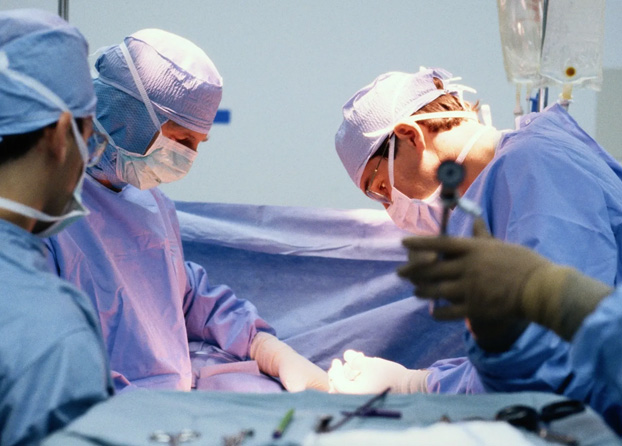
Our solutions start with a need. Patients and healthcare professionals inspire us to design medical solutions for wound management, surgery and pressure ulcer prevention. We want to enhance performance at every point of care – from the operating room to the home.
f the wound reopens after suture removal, medically termed incision dehiscence, there are two types. One is a superficial tear between the epidermis and dermis, resulting in a smal...
Bandaging is neither about being as tight as possible nor as loose as possible. The tightness directly determines whether the dressing can be secured, whether exudate can be contro...
Why does a wound that looks clean never heal? Some wounds appear red and healthy during dressing changes, with minimal exudate and no obvious pus, yet the area doesn't shrink for ...
Postoperative wound pain is mostly normal, but normal doesn't mean you have to endure it, nor does it mean all pain is nothing to worry about. Surgery involves cutting the skin, su...
In the first few minutes after a burn, the treatment directly determines the depth of the wound and the difficulty of subsequent recovery. Many people's first reaction is to apply ...
After being bitten by a cat or dog, many people's first reaction is to apply iodine, put on a bandage, or rush to the hospital. But the most important first step is actually rinsin...
A brown or dark mark left after a wound heals is medically known as post-inflammatory hyperpigmentation. It's not a scar, nor is it due to incomplete cleaning. Rather, it's a color...
Many people only think about intervention when the scar becomes noticeably raised, red, and itchy, by which time the optimal window for intervention has already passed. The timing ...

Longterm medical is a world-leading custom Medical Consumables suppliers that equips healthcare professionals to achieve the best patient, clinical and economic outcomes.
Add:No. 277, Shuangshan Road, Deqing County, Huzhou
City, Zhejiang Province, China
Tel:0086 15157187579
Copyright © Zhejiang Longterm Medical Technology Co., Ltd All Rights Reserved.

