What are the key benefits of using Basic Wound Dressings, PU Film Island Wound Dressing, and Nonwoven Island Wound Dressing for wound management?
When it comes to wound management, choosing the right dressing is crucial for promoting healing, preventing infection, and ensuring patient comfort. Let's explore the key benefits of Basic Wound Dressings, PU Film Island Wound Dressing, and Nonwoven Island Wound Dressing:
Basic Wound Dressings:
Sterile Protection: Basic Wound Dressings provide a sterile barrier that helps prevent contamination and infection, reducing the risk of complications.
Absorbency: These dressings are designed to absorb wound exudate, keeping the wound clean and promoting healing.
Breathability: Basic Wound Dressings are breathable, allowing oxygen to reach the wound while maintaining a moist wound environment, which aids in the healing process.
Ease of Use: With their user-friendly design, Basic Wound Dressings are easy to apply and remove, ensuring convenience for healthcare professionals and patients alike.
Versatility: They are suitable for a variety of wounds, including minor cuts, abrasions, and post-surgical incisions.
PU Film Island Wound Dressing:
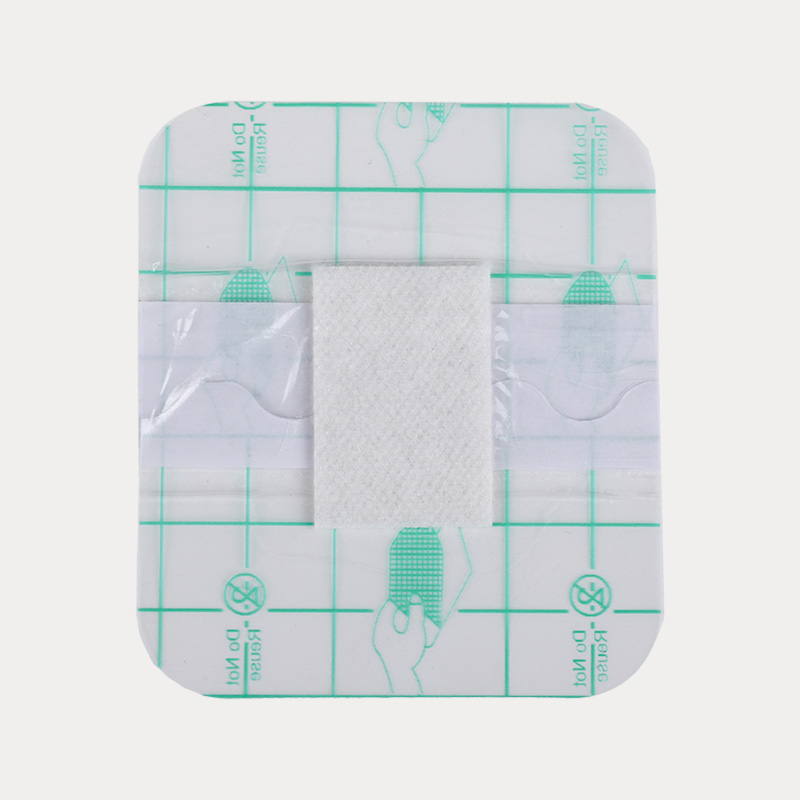
Moist Wound Healing: PU Film Island Dressings create a moist wound environment, which has been proven to accelerate the healing process and promote tissue regeneration.
Waterproof and Shower-Friendly: The waterproof feature of PU film allows patients to shower without compromising the dressing's integrity, maintaining cleanliness and convenience.
Transparent and Continuous Monitoring: The transparent PU film allows healthcare professionals to monitor the wound without removing the dressing, minimizing disturbance and reducing the risk of infection.
Secure Adhesion: The gentle adhesive on the PU film ensures secure fixation, even in challenging areas such as joints or areas prone to movement.
Comfort and Flexibility: PU Film Island Dressings are flexible and conform to body contours, offering optimal patient comfort and reducing the risk of skin irritation.
Nonwoven Island Wound Dressing:
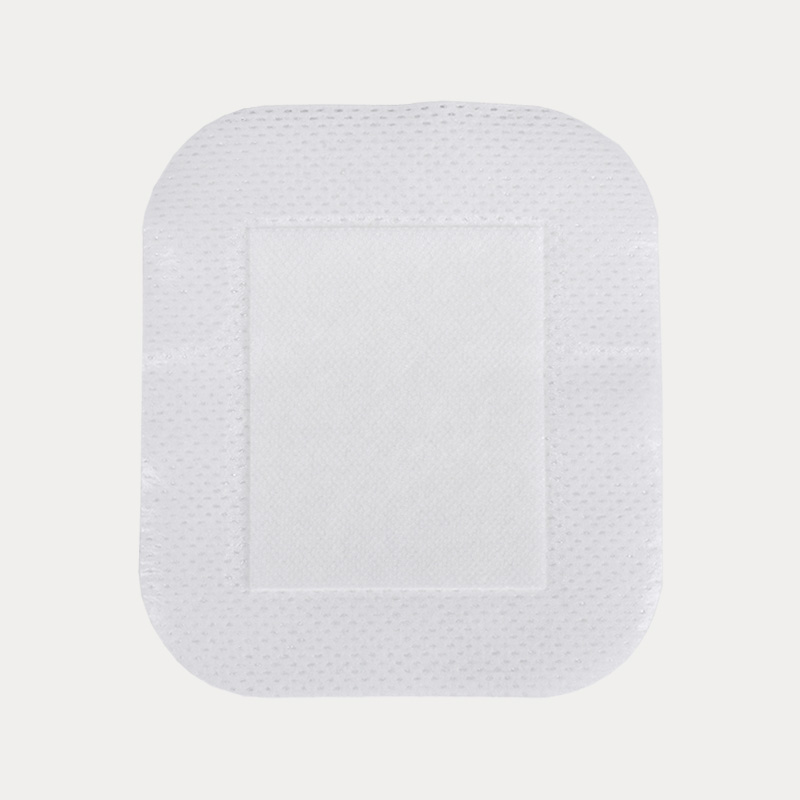
Excellent Absorption: Nonwoven Island Dressings have a highly absorbent pad that effectively manages wound exudate, reducing the risk of maceration and maintaining a clean wound environment.
Non-Adherent and Trauma-Free: The nonwoven fabric pad minimizes trauma during dressing changes, as it does not stick to the wound, reducing pain and discomfort for the patient.
Secure and Gentle Adhesion: The nonwoven adhesive border provides secure adhesion to the surrounding skin without causing irritation or damage, ensuring patient comfort.
Versatile Application: Nonwoven Island Dressings are suitable for various types of wounds, including surgical incisions, lacerations, and abrasions.
Breathable Design: The nonwoven construction allows air circulation, aiding in the prevention of maceration and maintaining optimal wound conditions.
In summary, Basic Wound Dressings, PU Film Island Wound Dressing, and Nonwoven Island Wound Dressing offer a range of benefits that contribute to effective wound management. These dressings provide sterile protection, aid in moisture balance, promote healing, and offer patient comfort. The choice of dressing depends on the specific wound characteristics and patient needs, and our product range ensures that healthcare professionals have access to high-quality options for comprehensive wound care.

 English
 عربى
عربى Español
 русский
 中文简体
中文简体