Home / Products and Solutions

Medical Consumables Manufacturers

Helping you do your work is our work. Explore our range of medical solutions, designed to enhance performance at every point of care – from the operating room to the home.

PRODUCTS AND SOLUTIONS

Solutions for better outcomes

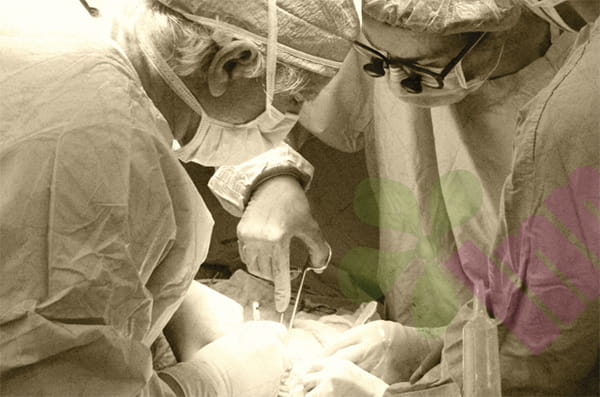
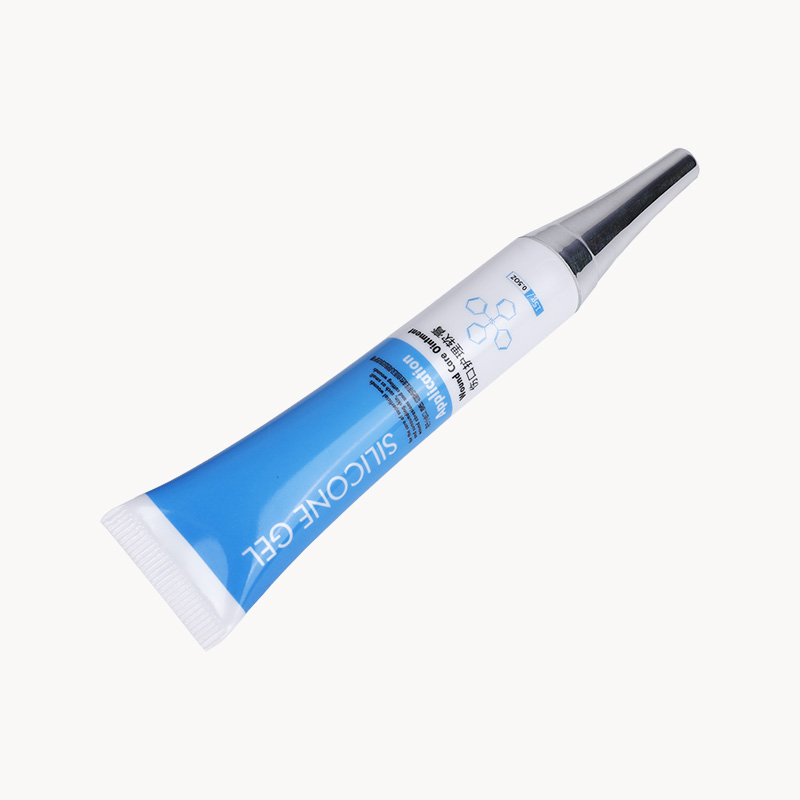
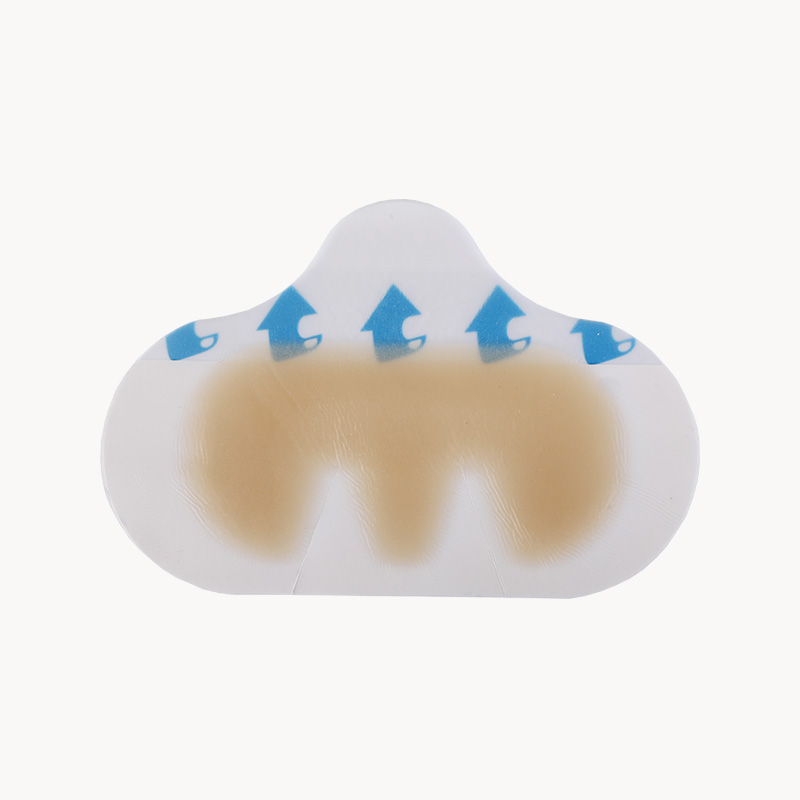
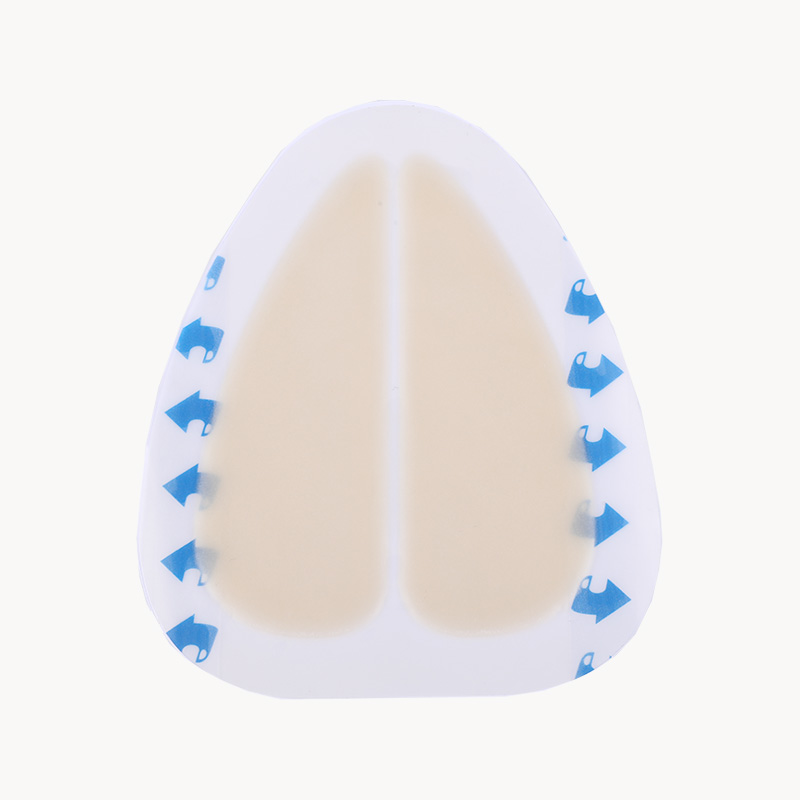
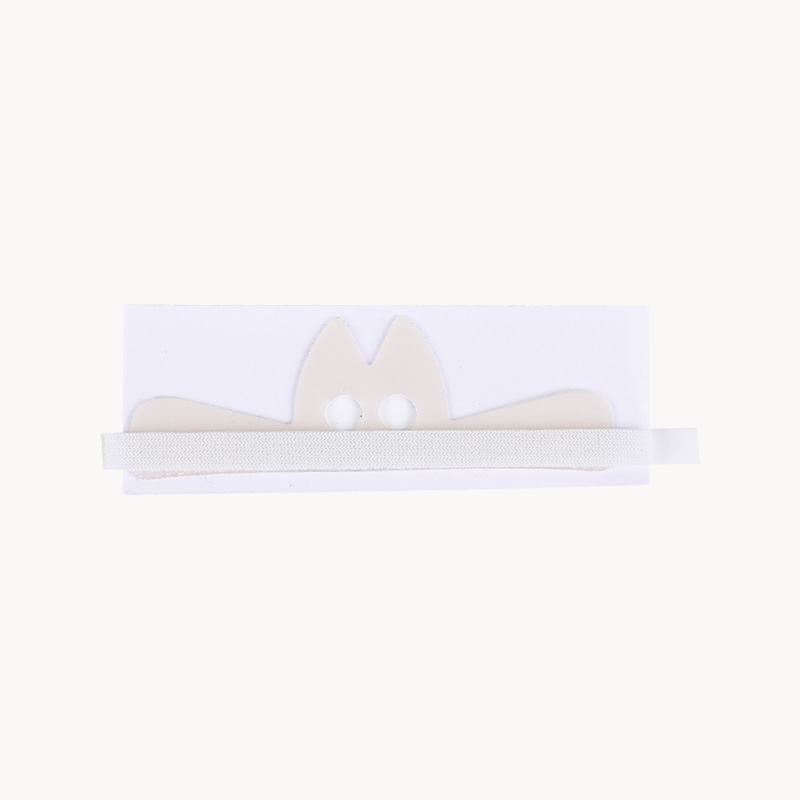
Our solutions start with a need. Patients and healthcare professionals inspire us to design medical solutions for wound management, surgery and pressure ulcer prevention. We want to enhance performance at every point of care – from the operating room to the home.

Honor

Knowledge And Education

  • Why are wounds slow to heal in winter?

    Wound healing is a complex physiological process influenced by a variety of factors. In winter, many people's wounds seem to heal more slowly or experience poor healing. This is no...

  • How to choose and use acne patches?

    Acne patches, scientifically known as "artificial skin" or "hydrocolloid dressings," are small, medical-grade dressings used for localized skin problems. Their core material is typ...

  • Do you know how to properly remove a transparent dressing?

    Skin damage caused by the adhesive force of glue. This condition is relatively common in both clinical and home care, especially in populations with unique skin structures such as ...

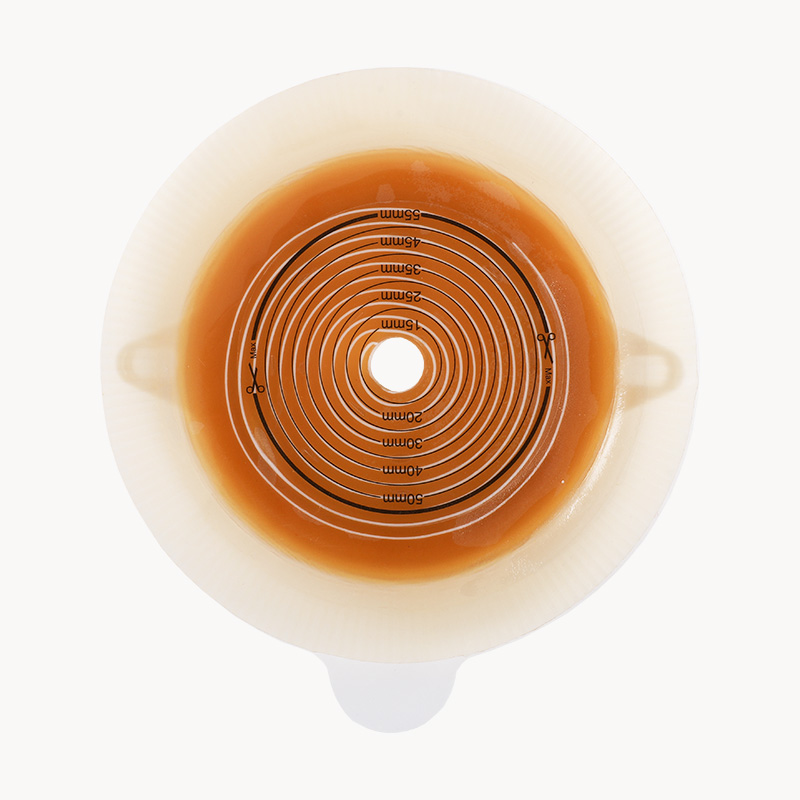
  • The prevention of enterostomy prolapse

    Stoma prolapse is a complication that can occur after stoma surgery, referring to an excessive folding or eversion of a segment of intestinal mucosa or the entire intestinal wall t...

  • The role of negative pressure wound therapy in wound treatment

    VSD (Vacuum Sealing Drainage) is a novel treatment method that uses medical foam dressings to cover or fill wounds, then seals them with a biological semi-permeable membrane and co...

  • If you have a hangnail on your hand, is it okay to pull it out?

    What are barbs, and why do they form? Hangnails, medically known as paronychia, are small, triangular pieces of skin around the fingernails that have peeled off and separated from ...

  • Prevention of acute wound infection

    What is an acute wound infection? Acute wound infection refers to a series of local and systemic inflammatory responses triggered in the early stages of wound healing (usually with...

  • Deep tissue pressure injury

    What is deep tissue pressure injury? Deep tissue pressure injuries, formerly known as suspected deep tissue injuries, are a special and dangerous type of pressure injury (commonly ...

Industry knowledge about Medical Consumables

Medical consumables are products that are used in the medical field and are intended to be used once and then disposed of. They include a wide range of products, such as gloves, gowns, masks, bandages, syringes, catheters, and IV supplies.
Medical consumables are used to protect both the patient and the healthcare provider from infection and contamination. For example, gloves are used to protect the hands from exposure to bodily fluids, and masks are used to prevent the spread of airborne pathogens. Medical consumables are also used to provide a clean and safe environment for medical procedures and treatments.

Advantages of Medical consumables:

Ease of use: Medical consumables are designed to be simple and easy to use, allowing healthcare professionals to focus on providing patient care rather than spending time and effort on preparing and maintaining complex equipment.
Cost-effectiveness: Medical consumables are often more cost-effective than other types of medical equipment, as they can be purchased in bulk and disposed of after use. This helps to reduce the cost of healthcare over time and makes it more accessible to more people.
Improved patient outcomes: The use of medical consumables helps to ensure that healthcare professionals have the necessary supplies and equipment to provide safe and effective care to patients. This can result in improved patient outcomes, including faster healing times, reduced risk of infection, and improved overall health and well-being.
Reduced risk of cross-contamination: Medical consumables are designed to be used once and then disposed of, which helps to reduce the risk of cross-contamination between patients. This is especially important in the case of infectious diseases, where the use of disposable medical supplies can help to prevent the spread of infection.
Increased patient comfort: Many medical consumables, such as advanced wound dressings, are designed to be more comfortable and less painful for patients than traditional treatments. This can help to improve the overall experience of receiving medical care and reduce the stress and discomfort associated with certain procedures.

Types of medical consumables:

Disposable gloves: Used to protect against the transmission of infections and illnesses, disposable gloves are made of latex, nitrile, or vinyl and are used for a variety of medical procedures.
Needles and syringes: Used for administering injections and withdrawing blood, these items are usually made of stainless steel and are sterilized before use.
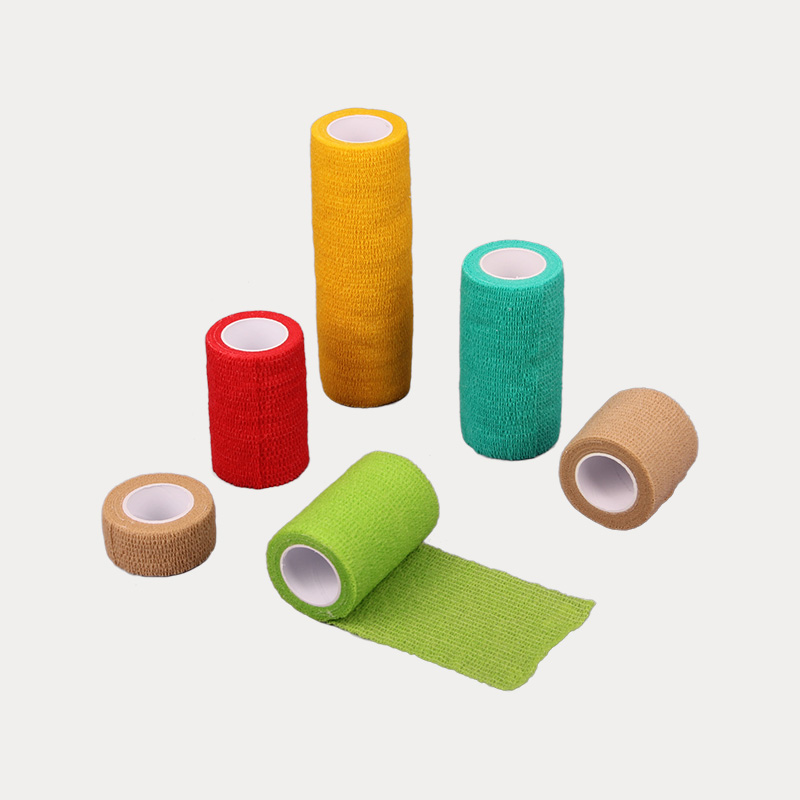
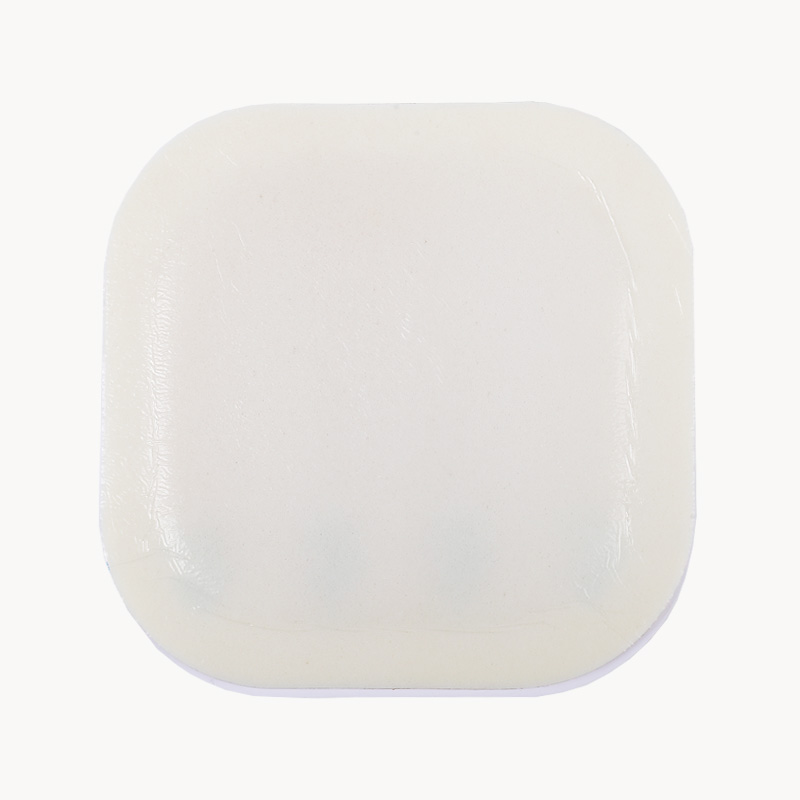
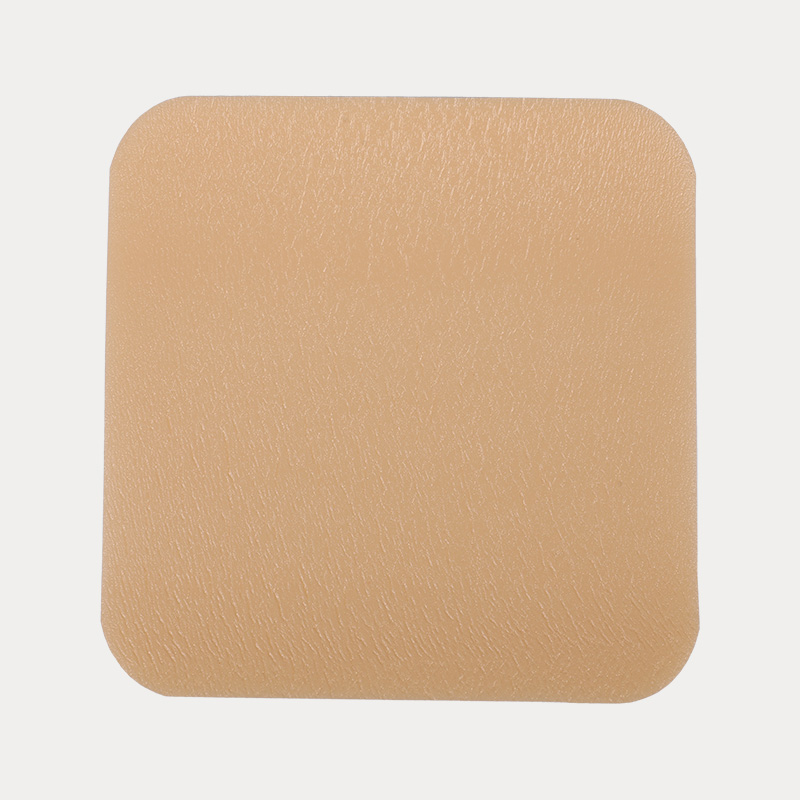
Wound dressings: Used to cover and protect wounds, wound dressings come in a variety of types and sizes, including adhesive bandages, gauze pads, and sterile dressings.
Catheters: Used to remove fluids from the body or to deliver fluids, catheters are thin tubes that are inserted into a vein, bladder, or another part of the body.
Face masks: Used to protect against the spread of respiratory infections, face masks come in a variety of types, including surgical masks, N95 respirators, and cloth masks.
Surgical instruments: Used in surgical procedures, surgical instruments come in a variety of shapes, sizes, and designs and are used to cut, suture, grasp, and clamp tissue.
Urinary catheters: Used to drain urine from the bladder, urinary catheters are available in different types and designs, including intermittent, indwelling, and external catheters.
These are just a few examples of medical consumables. There are many other types of medical consumables, each designed for a specific use and purpose.